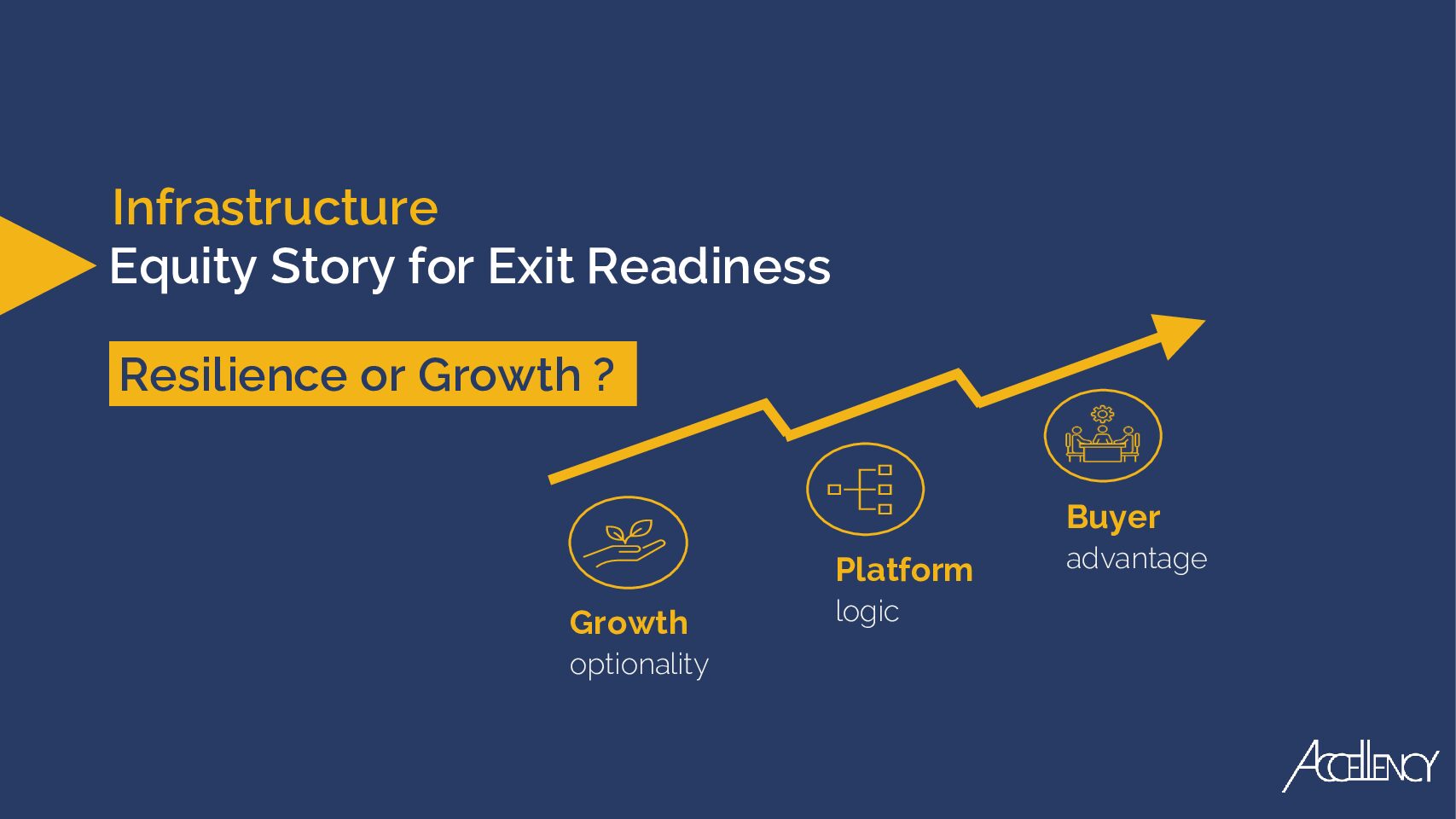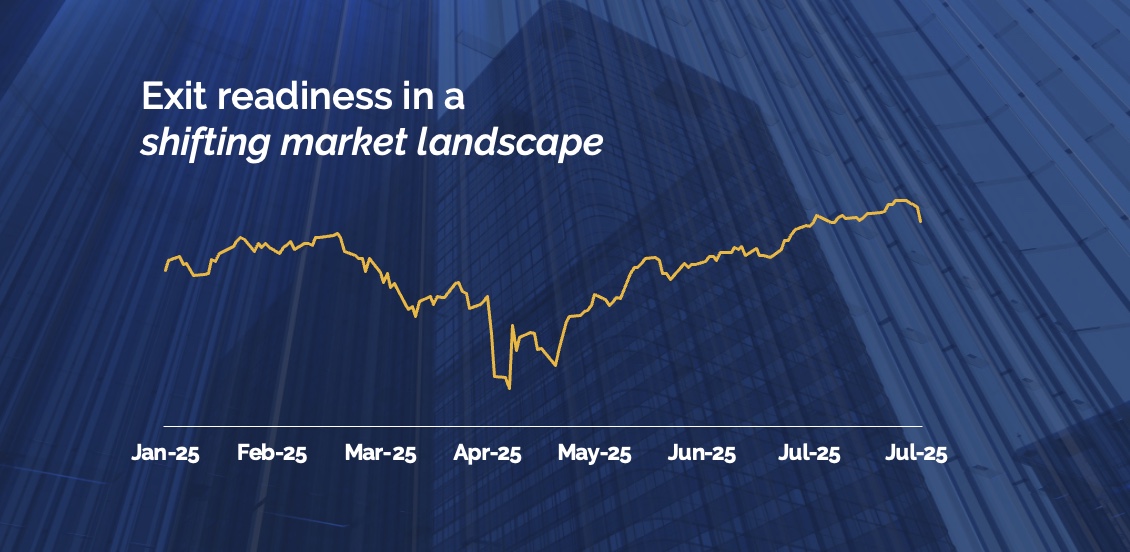
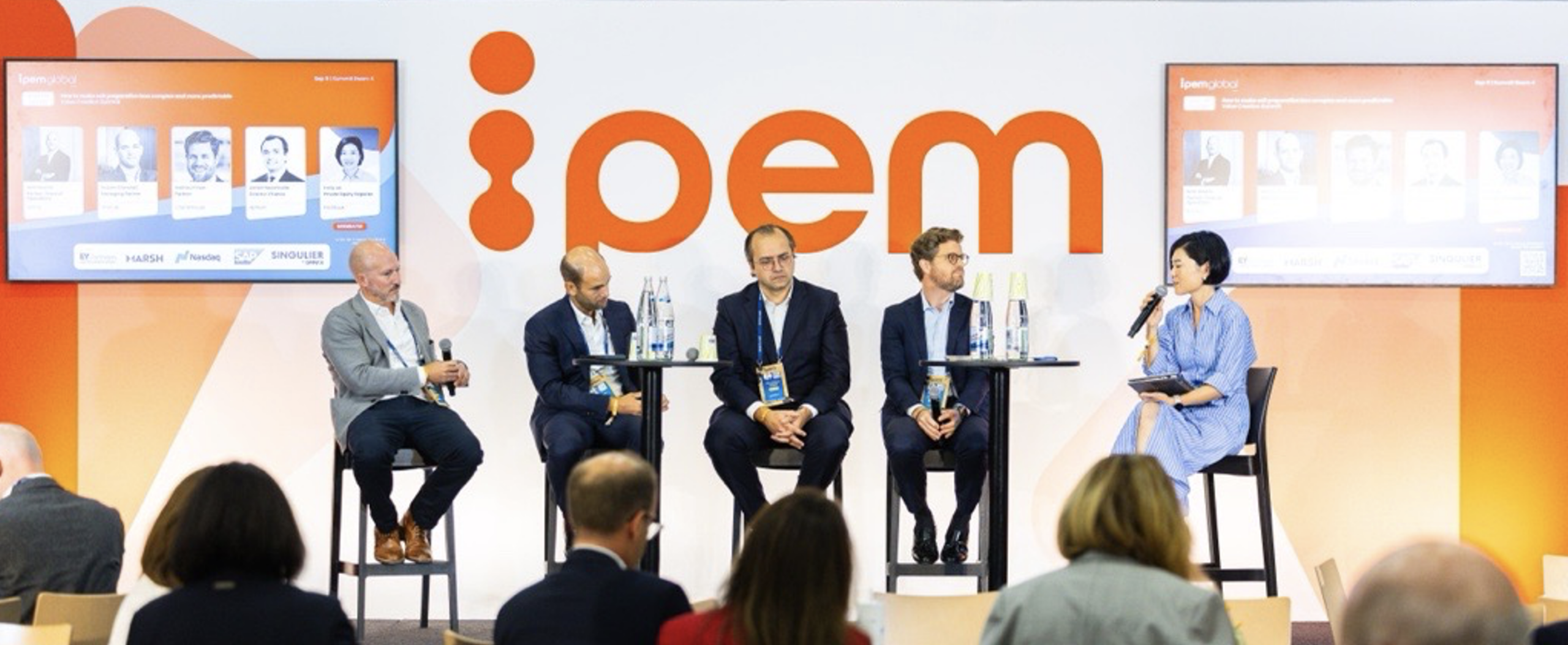
Accellency attended IPEM Global 2026, held from September 8th to 10th, at the Palais des Congrès de Paris. It was a great opportunity to reconnect with familiar faces and hear how leading private equity practitioners are thinking about exit readiness today. One panel in particular stood out, centered on the theme of equity story & exit readiness: “How to Make Exit Preparation Less Complex & More Predictable?”.
The panel featured Keith Beattie (Astorg), Nassim Cherchali (AnaCap), Mathieu Frison (Charterhouse Capital Partners), Adrien Hautefeuille (Apheon), and Emily Lai (PitchBook). Here are the key takeaways:
→ Serious equity story preparation starts 18-24 months out, with 12-14 months as the floor. The equity story isn’t a sprint.
→ The numbers have to support the equity story. Data and KPIs should be chosen early, with a track record long enough to prove the equity story rather than just relying on the last good year.
→ Most management teams need training, coaching, and realignment when the timeline slips a year or two, because most of them have done one exit at most.
→ Management time has to be protected. There is still a business to run while preparing the equity story for sale.
→ The equity story is communicated through coffee chats, lunches or refis, months ahead of the transaction. Some sponsors won’t even join an auction unless they’ve met management several times.
→ Bankers and transaction advisors need to own the chosen equity story too. Bankers and transaction advisors reach out to potential buyers, and what lands is their version of the equity story, not the original.
→ AI : potential buyers will run the data pack to AI-stress test the equity story, so it is critical to run it first. Pressure-testing the equity story the way buyers will is now essential.
→ And one golden rule: never touch the equity story at the last minute, when everyone is brainstorming and the temptation is highest.
These themes echo what we see consistently in our own work with management teams preparing for exit: the equity story is a long-lead discipline that deserves attention well before the transaction itself.