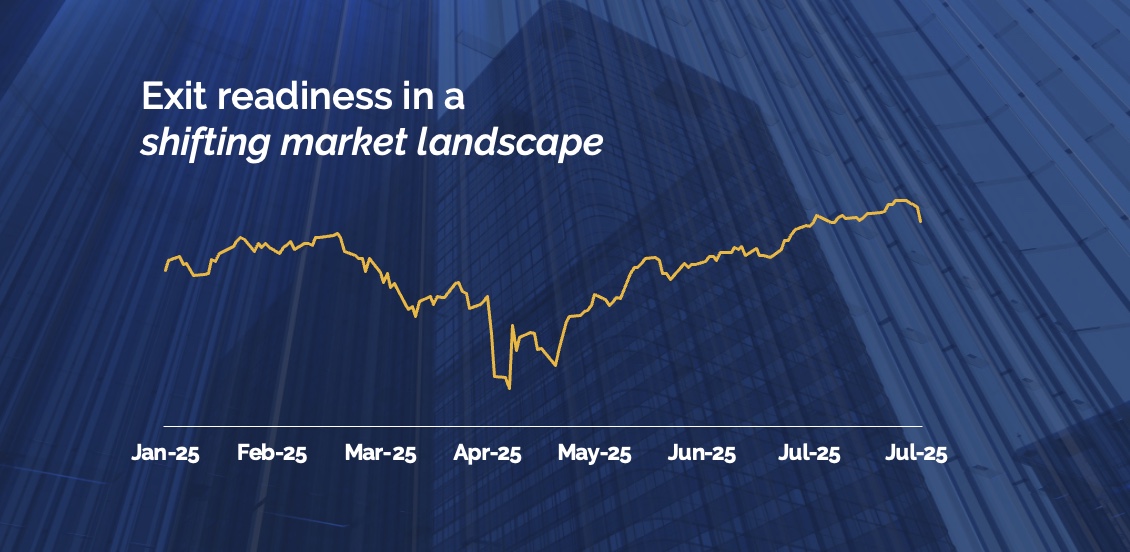

The private equity exit market is more selective than it has been in years. Buyers are demanding, financing conditions remain tight and exit windows open and close with little warning. In this environment, the question is no longer simply whether a portfolio company is a good business. The question is whether it is ready to be sold, and whether it can articulate why it deserves the valuation it is seeking.
EY’s 2026 Global PE Exit Readiness Survey provides compelling evidence on what separates the firms that achieve strong exits from those that do not. You can access the full survey here
Key Takeaways
- 86% of GPs say exit preparation improved their valuations
- Firms that start 12 to 24 months before sale report the strongest outcomes
- A clearly defined equity story is the #2 most challenging and most impactful element of exit preparation, just behind evidencing value creation in the EBITDA
- The #1 thing portfolio companies would do differently is invest more in management preparation
To what extent does exit readiness drive stronger valuations?
The numbers are clear. 86% of GP respondents reported that exit preparation improved their valuations. Portfolio company management teams are convinced too, with nearly 60% saying preparation delivered “much” or “a great deal” of improvement. Timing amplifies the impact. Firms that began preparing 12 to 24 months before sale consistently reported the strongest outcomes. This runway allows management teams to implement operational changes, strengthen data infrastructure, begin shaping external perception well before a transaction launches, and ensure the whole team is aligned and ready to present with confidence in front of increasingly demanding buyers.
What do buyers assess when evaluating a portfolio company for exit?
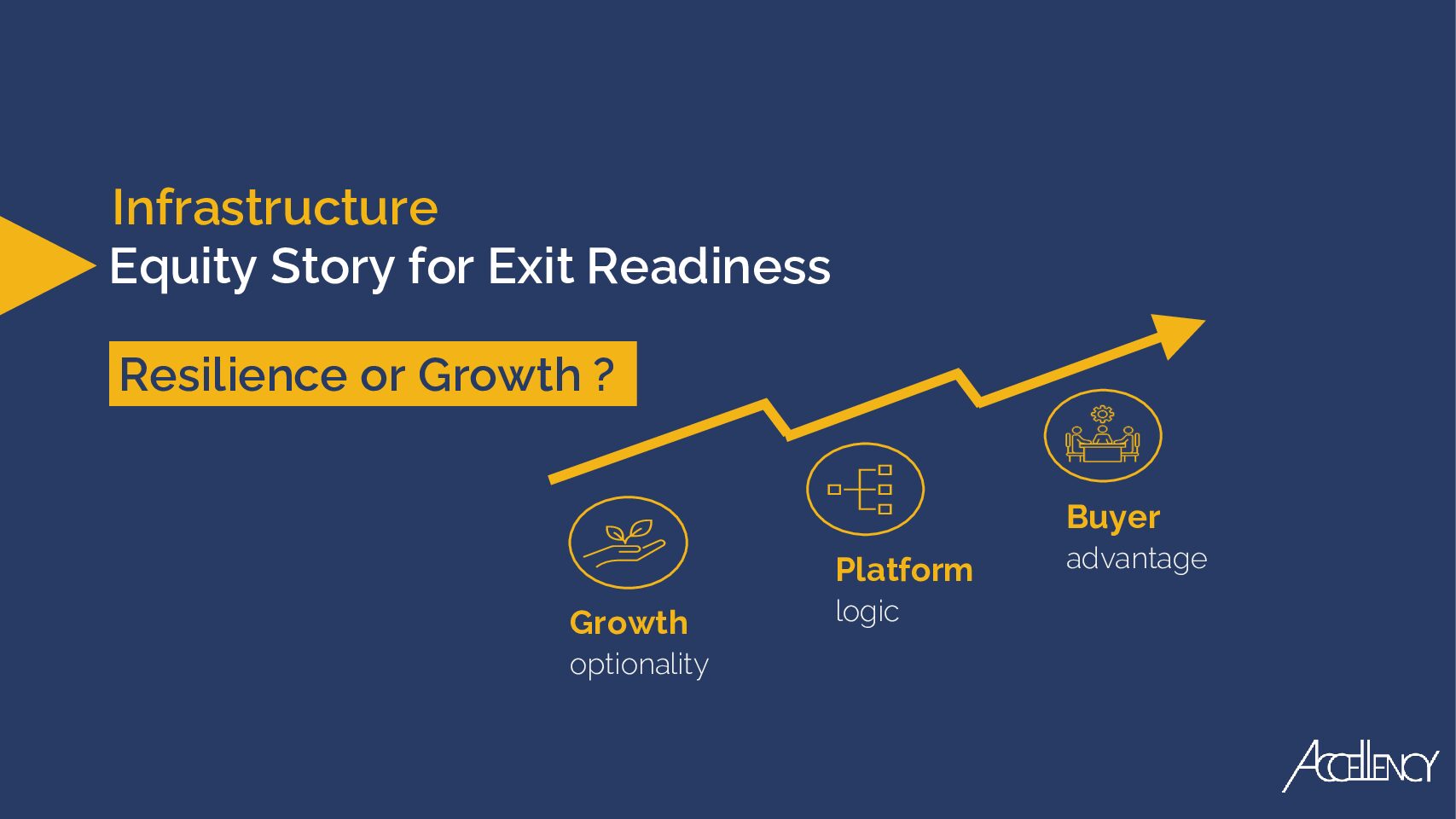
Among all the elements of exit preparation, having a clearly defined equity story ranked second for both the most challenging and the most impactful, behind only evidencing value creation in the EBITDA.
Buyers today are not simply assessing financial performance. They are underwriting a forward-looking investment thesis. As one Operating Partner at a US$8b fund put it: “Selling a business is not simply a matter of EBITDA multiplied by a multiple. You also need to sell a story. Explain what the next owner or the next fund will be able to do with the business, where the business is going, and what opportunities remain.” In a market where scrutiny is intense, the businesses that capture the strongest valuations are those with a credible, evidence-based equity story that answers these questions with conviction.
What separates the firms that achieve the strongest exits?
When asked what they would do differently in a sale, the number one answer from portfolio companies was better preparation of members of the management team. Strong GP-management alignment on a clear, data-backed equity story and rigorous management preparation is critical to unlock value and execution certainty. Another Operating Partner captured it well: “The management team needs to be fully aligned with the equity story and the strategic plan. In the end, preparing for an exit is like coordinating a large orchestra. All these elements need to be aligned and working together.” The management team is ultimately the one standing in front of buyers, articulating the investment case. Their preparation is the foundation upon which the entire exit process rests. The firms that invest in it early are the ones best positioned to deliver the exits their portfolios deserve.
Conclusion
Exit readiness is not a process that begins when a sale is announced. It is a strategic discipline that compounds over time, and the firms that treat it as such are the ones that convert strong performance into the strongest exits.