
How does investor relations create value in a time of extreme uncertainty?
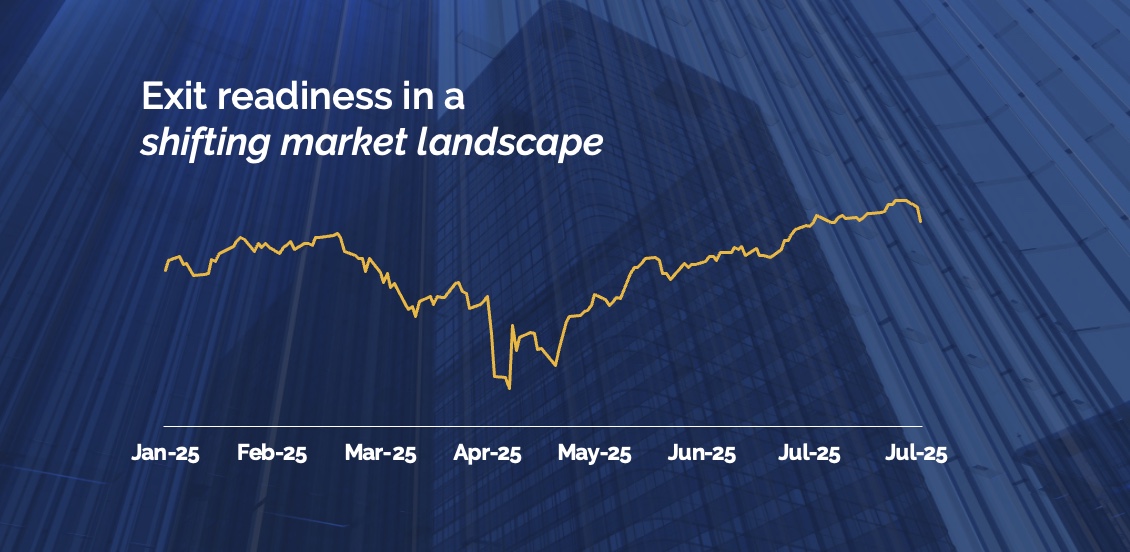
The tariff announcements have already caused market uncertainty comparable to a global pandemic or a banking crisis.
Here are five things which IR teams at funds and companies should know…
1. Top-down analysis dominates (at first). Before selecting individual investments for fundamental, bottom-up work, most investors and analysts will start with high-level screens, such as exposure by geography, sector, cross-border sales & currency. Help your investors and analysts quickly – if you don’t give them the information they need, they’ll have to make their own assumptions anyway. The market has a very short time horizon in a crisis and wants to rapidly sort the winners from the losers. When investors move from top-down to fundamental long-term decision-making, your core narrative will again become the key to attracting their interest.
2. Remember that investors face short-term pressures. Alongside high volatility, investors and asset allocators may also be dealing with outflows, denominator effects and demands from their ultimate asset owners. This constrains both their decision-making and their time. Be patient and accept that some of your existing discussions around investments may take longer than normal to close.
3. It’s OK to admit that you don’t have all the answers. The potential re-wiring of the system of global trade and geopolitical alliances is so fundamental that the consequences are far-reaching and unpredictable. The most confident forecasts are arguably the least credible.
4. But do show that you understand the significance. Not having all the answers is not the same as doing nothing. Explain what you’re doing and why. Even domestic businesses with simple supply chains would have to adapt in a trade war, as the second and third order effects kick-in. Claiming to be immune from such a significant event could signal to investors that you haven’t really understood it. Your ability to adapt is critical.
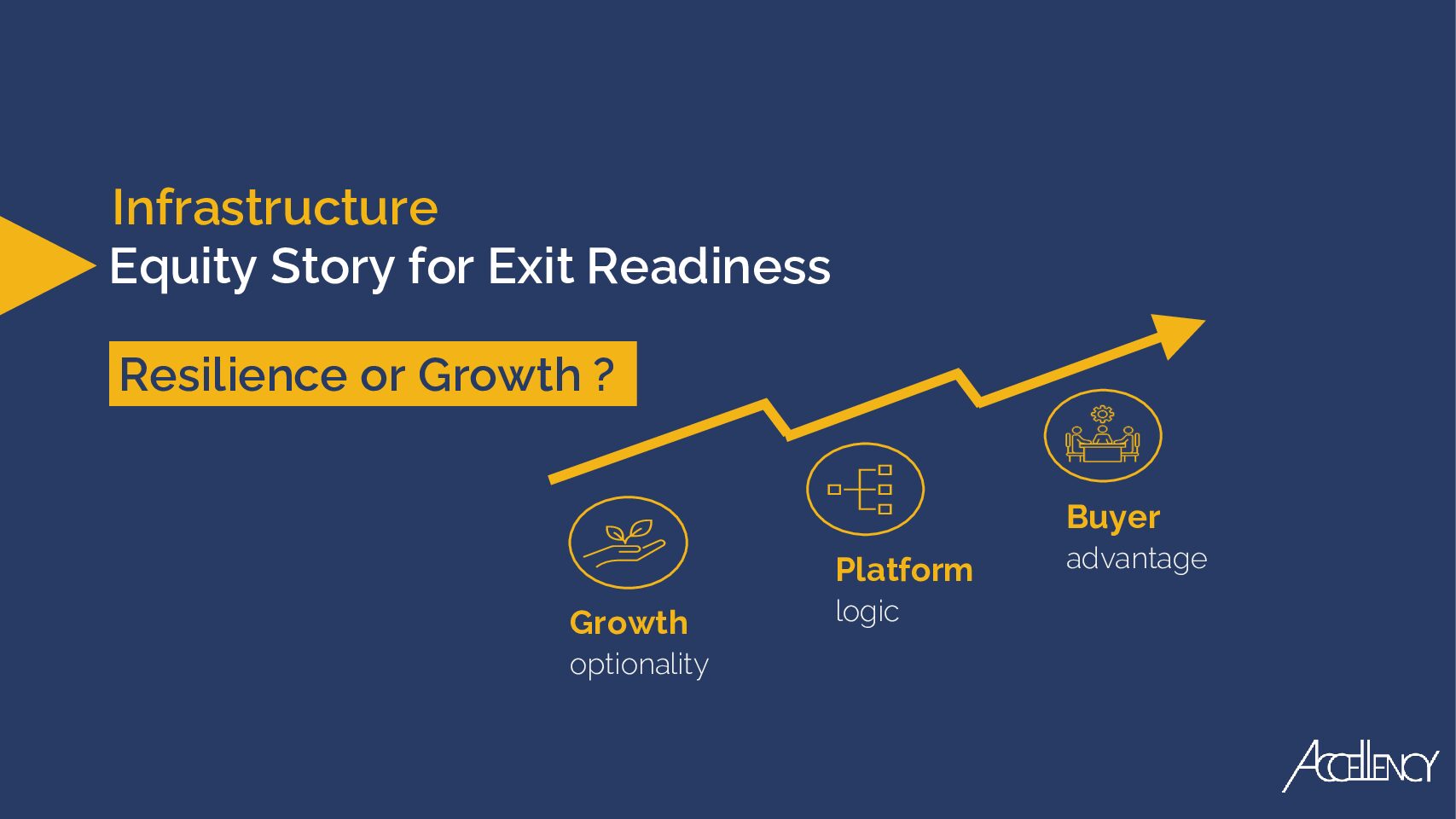
5. Resilience needs to mean something: Many funds & corporates are currently emphasising their “resilience”, but this term is so widely used that it’s hard to sound convincing (even if it’s justified). Articulating the underlying foundations of this resilience brings credibility to the claim. Even in a changing world, remind investors why your strategy works.