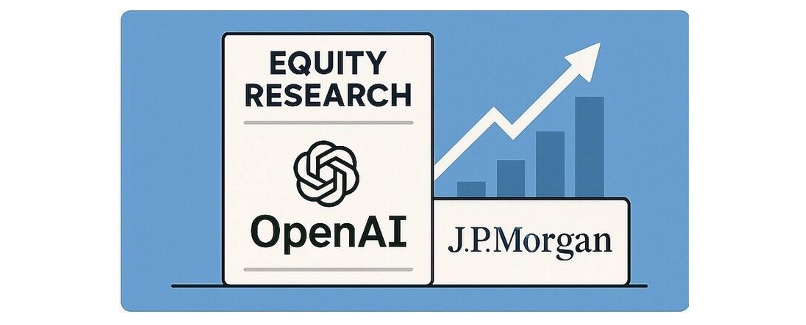
Equity research has arrived in the private markets, with JP Morgan releasing its first report on OpenAI last week. We expect that many other banks will soon start to do the same, with research coverage rising rapidly but limited to a small number of very large and significant private companies.
While you should not expect equity research to move far beyond the biggest and most significant private companies, there is a wider point here. Investors like to do their research well in advance of putting money at work. This means companies of all types and sizes need an IR strategy to shape these convictions at an early stage. This is true for industry-defining AI giants with research coverage from the world’s biggest banks and it’s true – in a different way – for mid-sized portfolio companies.
We share a few additional thoughts below:
This makes perfect sense – OpenAI is such a significant player in the planet’s most transformative technology that analysts and investors have to think about this company every day. For the sell-side, formalising that thought process in a research report is a very rational way to commercialise their work while deepening ties to the company.
Lots of firms are going to do this – J.P. Morgan‘s analysts won’t be alone. We would not be surprised to see >20 firms doing the same within a year. The financial opportunity is too big for competitors to allow any single bank to maintain such a clear competitive advantage.
But it won’t impact many companies – Don’t expect this to cascade very far down in terms of company size. There are plenty of good quality investable, listed companies with under $5bn in market cap who struggle to attract sufficient research coverage.
IR lines are blurring – As private assets mature and liquidity innovations emerge, Public v. Private will move from a binary to more of a continuum for investor relations. Companies who embrace this earlier in their journey will be better positioned in the minds of investors.